Most of us don’t think much about our auto insurance until something goes wrong—a fender bender, a stolen car, or that moment when a repair estimate makes your jaw drop. Suddenly, that PDF from your insurance company becomes the most important document in your life.
Yet few drivers truly understand what their policy includes. They may know they’re “covered,” but covered how, for what, and for how much? In this guide, Insurance Hour host and insurance expert Karl Susman breaks down the key parts of your auto insurance policy in plain English so you can make sure your coverage matches your real-world risks.
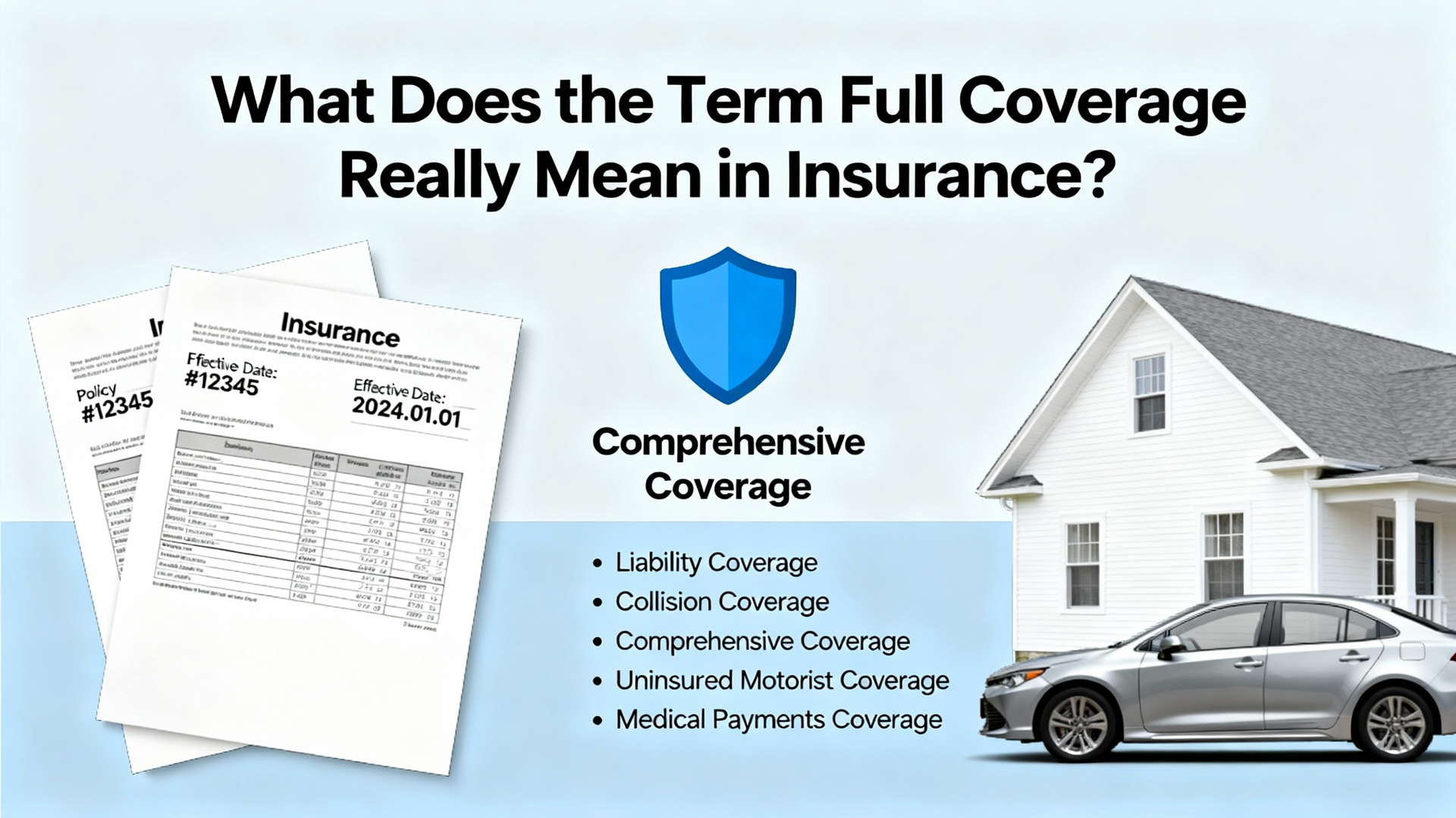
The Declarations Page: The Roadmap to Your Policy
Every auto insurance policy has two main parts:
- The
policy form, which is the legal contract that defines coverage, exclusions, and conditions.
- The
declarations page (dec sheet), which is the personalized summary of your coverage.
“If the policy is the instruction manual, the dec sheet is the cover page that tells you which model you own,” Susman explains.
Start by verifying the basics:
- Is your name spelled correctly?
- Is your vehicle listed with the correct year, make, model, and VIN?
- Are the policy dates accurate?
- Does the garaging address match where your car is actually kept?
Small clerical errors can cause big claim delays. Make sure your dec page reflects reality.
Liability Coverage: Protecting Others and Your Finances
Liability coverage protects everyone except you. It pays for injuries and property damage you cause to others. Limits are usually shown in a split format like
100/300/100:
- $100,000 per injured person
- $300,000 per accident total
- $100,000 for property damage
That last number is especially important. Modern vehicle repairs can easily exceed $50,000 due to sensors, cameras, and advanced electronics.
“The difference between $50,000 and $100,000 in property damage coverage may only cost you a few dollars a year,” Susman notes, “but it can save you from a massive financial loss.”
Collision Coverage: Protecting Your Car on the Road
Collision coverage pays to repair or replace your vehicle when you hit another car or object. It includes a deductible, commonly between $500 and $1,500.
Higher deductibles reduce your premium—but only choose an amount you can comfortably afford at claim time.
One often-missed add-on is the
collision deductible waiver. If an uninsured driver hits you, this endorsement waives your deductible entirely. It usually costs only a couple of dollars per year but can save hundreds.
Comprehensive Coverage: Protection from Non-Collision Losses
Comprehensive coverage applies to losses that aren’t caused by a collision, such as:
- Theft
- Vandalism
- Fire
- Falling objects
- Windstorm damage
It also typically applies to animal collisions, such as hitting a deer. This coverage carries its own deductible, and there is usually no waiver option.
Uninsured Motorist Coverage: When the Other Driver Has No Insurance
Roughly one in six California drivers is uninsured. If one of them causes an accident,
Uninsured Motorist (UM) coverage steps in to pay your medical expenses and those of your passengers.
Susman’s rule of thumb is simple:
“Match your uninsured motorist limits to your liability limits.”
If you’re willing to protect others with $100,000, you should protect yourself at the same level. California insurers must offer UM, and you must sign a waiver if you decline it.
Medical Payments Coverage: Simple, Fast Medical Help
Medical payments coverage, or
MedPay, pays for immediate medical expenses for you and your passengers regardless of fault. It doesn’t cover pain and suffering—just medical bills.
Many older policies still show limits of $1,000 or $2,000, which is often inadequate today. Susman recommends considering $5,000 to $10,000 for better real-world protection.
Gap Coverage: Protecting Against Loan Shortfalls
When a financed or leased vehicle is totaled, insurers pay the car’s market value—not your remaining loan balance.
Gap coverage pays the difference.
If you owe $45,000 but your totaled vehicle is worth $40,000, gap coverage pays the $5,000 difference. This is one of the smartest add-ons for newer financed vehicles.
Replacement Cost Coverage: New Car Instead of Depreciated Value
Some insurers offer
vehicle replacement cost coverage, which replaces a totaled car with a brand-new one during the first few years of ownership instead of paying depreciated value.
This coverage usually must be added when the car is new, so timing is critical.
Rental Car Reimbursement: Staying Mobile After a Claim
Rental reimbursement pays for a temporary vehicle while yours is being repaired after a covered loss. It’s listed as a daily amount and a time limit, such as $40 per day for 30 days.
Today, $20 per day is often insufficient. Susman recommends at least $40 to $50 per day to match real rental costs.
Roadside Assistance: Help When You’re Stranded
Roadside assistance covers towing, jump-starts, lockouts, and flat tires. Some newer vehicles already include this through manufacturer warranties.
Also check towing limits and payout caps to avoid surprises.
Custom Equipment Coverage: Protecting Your Upgrades
Factory policies do not automatically cover custom stereos, wheels, wraps, or other modifications. These must be declared and endorsed.
“If you don’t tell your insurer, they can’t cover it,” Susman warns. For specialty vehicles, a
stated value policy is often the best solution.
The Takeaway: Know Your Policy Before You Need It
Auto insurance is more than a legal requirement—it’s your financial safety net. The only way it works is if you understand what you actually have.
By reviewing your declarations page, confirming limits, and asking clear questions about missing coverages, you can prevent costly surprises.
“You don’t know what you’ve got until you need it,” Susman says. “But if you take 10 minutes to review your policy today, you’ll thank yourself tomorrow.”
In a fast-changing insurance market, knowledge isn’t just power—it’s protection.